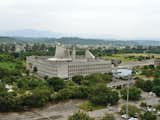
The City of Chandigarh by Le Corbusier
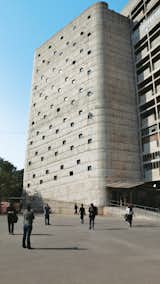
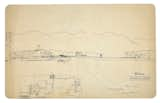
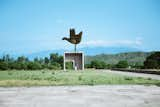
Le Corbusier commenced work on the master plan of Chandigarh, India, in 1951. The city was intended to serve both as the administrative seat of the newly partitioned state of Punjab and as an architectural symbol of Jawaharlal Nehru’s nascent democracy, writ in the future-facing language of European modernism. Yet, decades later, his city plan remains unfinished: buildings like the High Court, Palace of Assembly, and Secrétariat need refurbishment, and some question whether the complex doesn’t work better as an architectural statement than as a functioning set of government buildings. Architect Linda Taalman reflects on Chandigarh, its future, and why, some 60 years later, it can feel like a ruin.
Join Dwell+ to Continue
Subscribe to Dwell+ to get everything you already love about Dwell, plus exclusive home tours, video features, how-to guides, access to the Dwell archive, and more. You can cancel at any time.
Already a Dwell+ subscriber? Sign In
Published
Last Updated