Collection by AC
PreFab
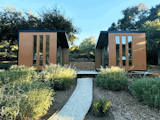
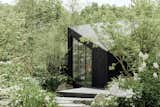
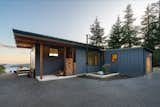
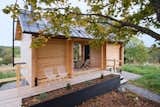
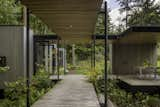
Completed in 2018 on a 2.6-acre site in the San Juan Islands, the two-bedroom modular home was installed in a day.
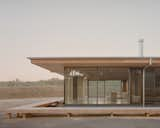
Candour is a prefab building system and a tool to customize building components within that system—including walls, floors, facades, and roofs—with a proprietary CAD plug-in. Users of the software can draft a design, determine if it’s feasible, and price it all in one day. Designs are built at Candour’s manufacturing facility in Sunshine, Melbourne.
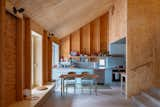
“The name 'Unfinished House' refers to an aesthetic attitude…. Self-finishing materials were selected to reduce resources and reveal the building’s construction. Tile and plywood are the only added ‘finishes’; They cover areas with wiring and plumbing,” the architects tell us. “The building is an all-timber structure with cellulose and wood fiber board insulation. Many of the materials were locally-produced including the wood framing, plywood, corrugated metal, and wood cladding.”
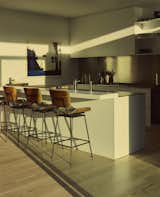
The fir flooring is by Dinesen. “Having worked with Will so much, I know he responds to a very calm and cool palette of beiges and grays,” says Reddy.
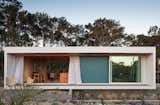
Frontal facade - Street view
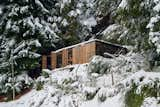
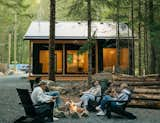
As Nicolás Tovo and Teresa Sarmiento of La Base embraced modular design as part of their architectural practice, they noticed that prospective clients were wary of prefabricated construction. So the duo teamed up with Place, an Argentine prefab builder, to make a proof of concept just outside the Patagonian resort town of Bariloche.
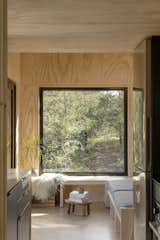
An oversized window to the outdoors was a priority for the co-founders, who want their clients to feel connected to nature.
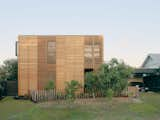
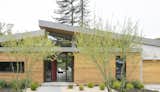
Blue Sky Building Systems worked with CB Architecture to create a modern home for a family of four in Orinda, California.
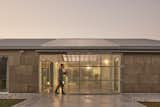
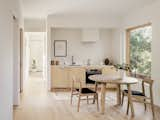
A small kitchenette comes complete with a cook top and oven. White oak wood flooring is used throughout, as a standard feature.
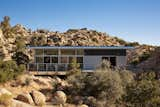
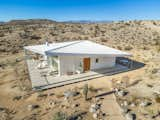
The home is currently being rented out to recoup some building costs, and the owners are considering a permanent move after their daughter leaves for college.
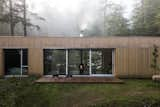
A rotating fireplace, a glazed facade, and a cozy sauna complete this wonderful woodland retreat.
7 more saves