Collection by Janice van Baaren
Cottage

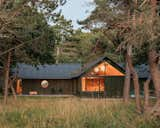
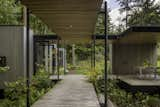
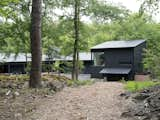
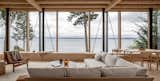

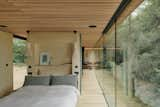
The primary bedroom cabin sits in a natural clearing amongst the trees, allowing for a water view and copious sunlight. The boulder-studded coast offers gently sloping paths to the ocean for a quick dip.
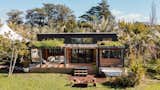
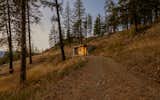
Whether it’s cross-country skiing in the winter or trail running in the summer, the 330-foot home’s minimalist design encourages Catherine to be outside in the surrounding landscape throughout the year.
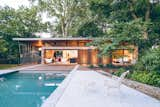
“The pitched ceilings and ribbon of clerestory windows make the interior feel more spacious than it is,” notes Gooden.
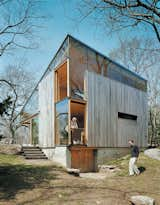
Suzanne and Brooks Kelley at the back of their 1,100-square-foot guest cottage.
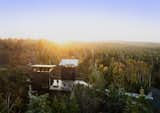
Greg Knapp and Robyn Traynor worked with architect Peter Braithwaite to design a nature retreat for their family on a slice of Canadian wilderness. It has two shed-roofed structures joined by a boardwalk elevated above a preexisting walking path on the couple’s land.
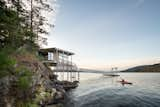
Sitting lightly above the eelgrass, this tiny dwelling serves as a port of entry for a family getaway on the Salish Sea.
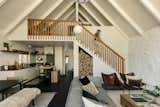
The living area is the main showcase of the home with soaring pine ceilings, 20ft windows and a stone walled fire place.
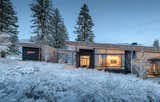
CCY Architects - Gammel Damm

In the living room, a Malm fireplace sits on a yellow powder-coated steel table that matches the bookshelf ladder leading to the loft. Jagoda designed the table with space underneath to store firewood.

Attractively understated from the street, the home sits surrounded by soaring trees and mature native landscaping. The sizable cement driveway leads to the multi-car garage.
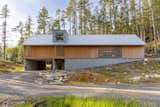
Nestled just a stone's throw from the water, the home has been thoughtfully built into its tree-filled lot. Parking is provided by an oversized carport, which includes a Tesla charger.