Tickets selling fast! Join us for Dwell Open House Los Angeles on Saturday, October 17
Collection by Nate Kadlac
Bath
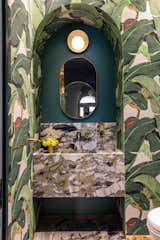
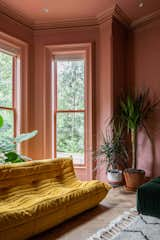
The eponymous founder and principal of Michael K. Chen Architecture resuscitated a four-story, 3,600-square-foot home in Brooklyn’s Clinton Hill neighborhood that was built in 1895 and had been abandoned for 20 years. Its newest owners—a tech investor and an art teacher at a public school—were inspired by the playful color palette that was still apparent underneath the building’s decay. "We had epic color palette meetings, looking at deck after deck for paint colors that spoke to us or provoked a particular sensation,” says Chen. “You don’t look at the color, you inhabit it.”
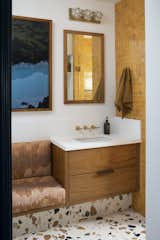
The designer created a teak built-in bench seat for the primary bathroom, where she installed lively Marmoreal flooring, teak vanities, and marigold Zellige shower tile.

In the kids' bathroom, Marmoreal flooring with a black background and green, gold, and green spots, a Nickey Kehoe-designed green-and-white shower curtain, pale green Farrow & Ball vanity paint, and brass fixtures add color and playful touches.

In the bathrooms, a different variety of plaster was employed: Moroccan Tadelakt, selected for its waterproof application. (“You see it in most hammams,” says Grimshaw, who had spent time working in Morroco.)